
Using a Portable Dog Water Bottle: A Clear Everyday Routine
An easy routine comes from understanding the exact product in front of you. A portable dog water bottle may share a familiar shape with several other models while having different parts, controls, or setup requirements. Use this guide to organize the questions and checks that belong around the manufacturer’s instructions. It is a planning guide, not a substitute manual for an unidentified version.
A closer look at this product category
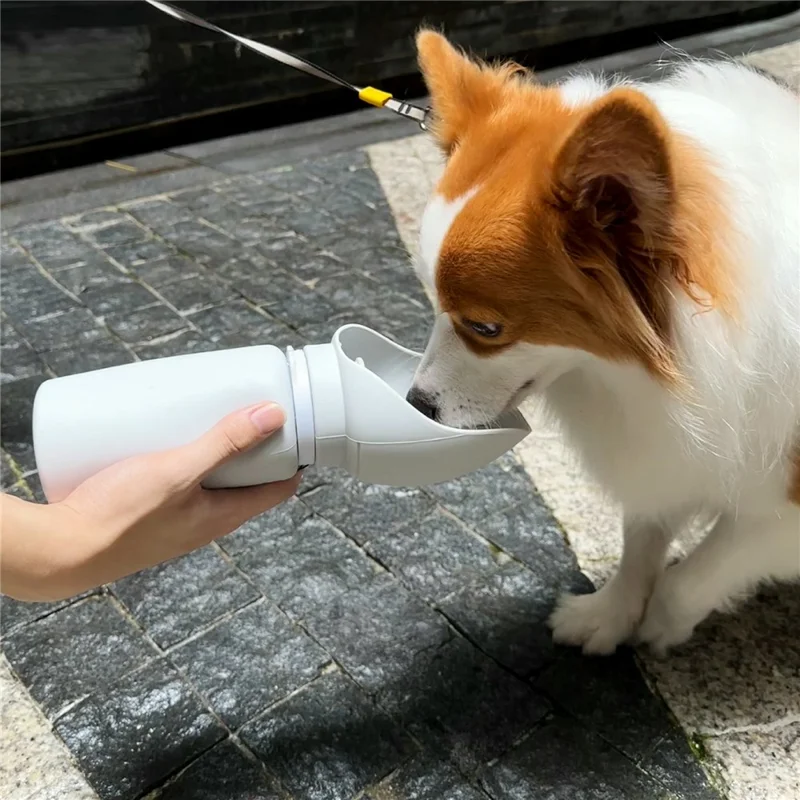
Follow the instructions for filling, locking, dispensing, and closing the actual model. If a control returns unused water, confirm that feature in the supplier’s documentation rather than assuming its presence from a familiar silhouette. Offer water in a suitable supervised setting and keep the drinking area clean between uses. Check the closure before putting a filled bottle in a bag, without treating a marketing claim as a guarantee against every leak. Care and water handling should follow the product instructions and the needs of the individual outing.
Identify the model and supplied pieces
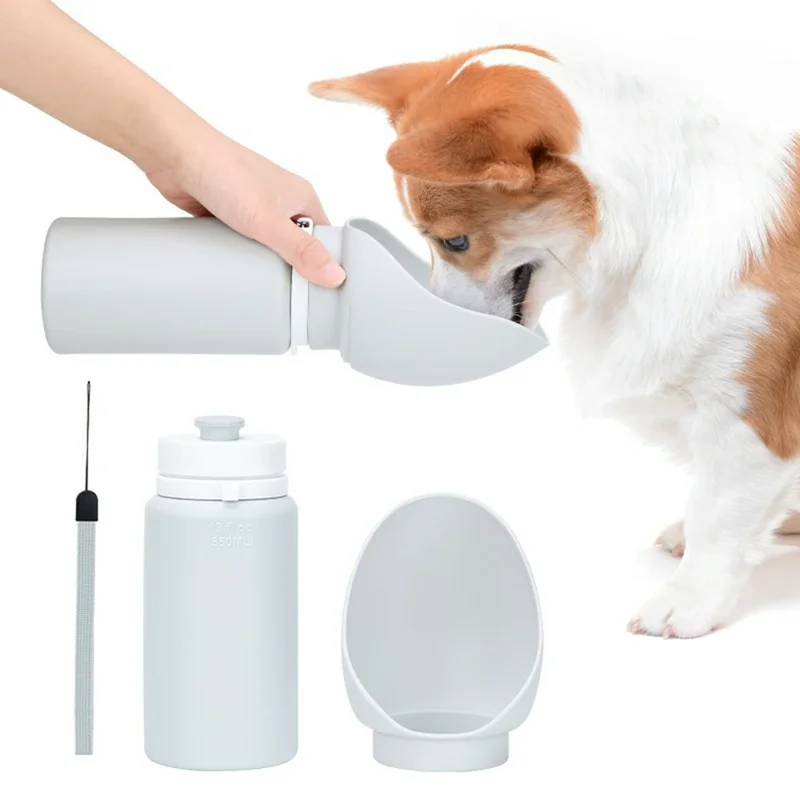
Start with the product label, package list, and instructions. Compare the actual item with the diagrams, including the reservoir, drinking area, cap, seal, control, and any removable storage section. Check that the supplied components belong together and that the instructions identify the same model. If a piece is missing or the construction differs from the listing, obtain clarification before improvising. Photographs of another version can help explain a question to a supplier, but they do not authorize a different assembly or operating procedure.
Prepare the intended place for the task
Look at a walking bag, travel kit, or supervised outdoor water break and remove obstacles that would make setup, observation, or cleanup awkward. Keep relevant access points available. Follow the manufacturer’s requirements for positioning and any surrounding clearance. A well-styled supplier scene should not replace those requirements; props may be present for photography rather than normal operation. The useful goal is a setup in which the item can be handled as instructed and checked easily during ordinary use.
Follow the sequence for this construction
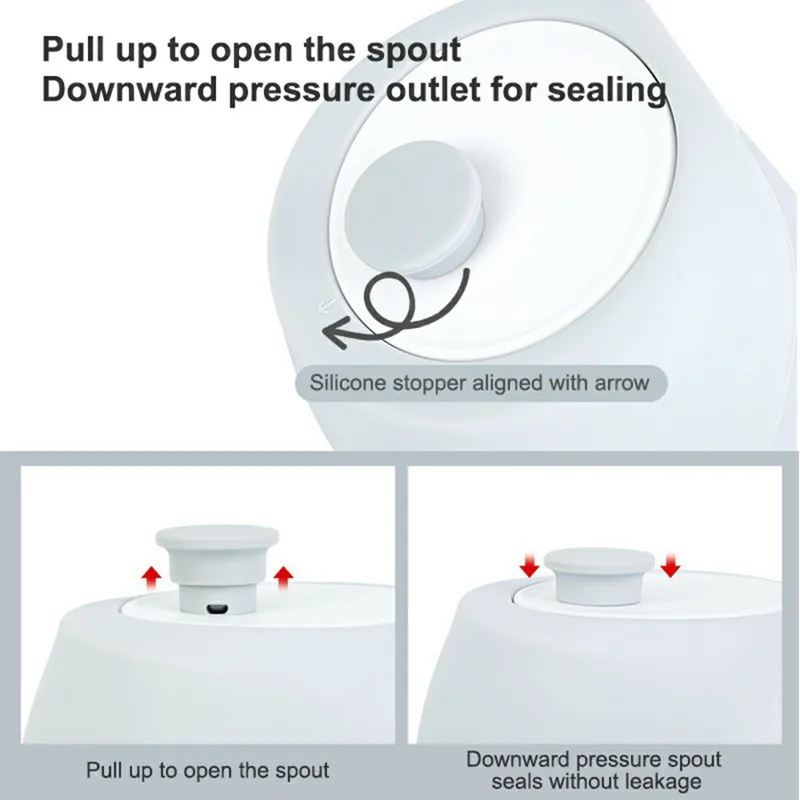
Read the steps for offering and carrying drinking water during an outing before beginning. Identify the starting and stopping points and any part that must be checked between them. If the instructions leave a step unclear, ask for a model-specific explanation instead of combining instructions from unrelated products. Features such as a lock, valve, latch, adjustment, or removable section can work differently across models that look alike. Avoid promising a universal procedure where the construction has not been confirmed.
Observe the first routine without making broad claims
During an initial permitted use, pay attention to the actual fit, access, handling, and cleanup steps. A brief successful demonstration does not establish a long-term performance guarantee. Likewise, a promotional scene does not establish suitability for every household, material, animal, vehicle, or environment. Keep questions tied to something observable and specific: an opening, a part, a dimension, a control, or an instruction. That makes any follow-up with the supplier more useful.
Finish with the documented shutdown and storage steps
Complete the manufacturer’s stopping, emptying, disconnection, cooling, drying, or folding steps as applicable to the model. Return components to their intended arrangement and check for visible damage where the instructions direct. Keep the manual and part references with the item or in an accessible record. If your routine reveals a mismatch with the advertised version, preserve the model and order information when contacting the seller rather than modifying the product to make it resemble a different listing.
One related decision worth checking
Start with the labeled water capacity and distinguish it from the overall bottle size or a separate food-storage volume. Check whether dimensions describe the closed assembly or an open drinking configuration. Compare the shape with the pocket or bag where it will be carried, including the cap and any handle. Published weight may be an empty-item figure, a packed shipping weight, or a set weight; those are not interchangeable. Match measurements and the pictured structure to the exact model before selecting a capacity or color.
Questions to settle before ordering
Which information should match the order?
The model reference, selected size or color, material, included pieces, and offered quantity should describe the same version. Keep the product page and the seller’s written clarification together. A model change or accessory change deserves a fresh check, even when the product name is nearly identical.
Can photographs replace a clear specification?
Photographs are useful for understanding construction and context, but they cannot reliably establish an exact measurement, a material formulation, or a performance rating. Ask for the missing specification or instruction. A correct photograph and a clear written description should support each other instead of requiring you to guess which one is accurate.
What if the listing leaves a meaningful question unanswered?
Describe the question precisely and ask the seller to identify the relevant model and part. If the answer would change your choice, resolve it before ordering. A documented answer is more useful than a broad reassurance that a whole product family is suitable for everyone.
Related product information
- PET02 Portable Dog Water Bottle 550ml Silicone Foldable Drinking Dispenser for Outdoor – Light Grey
- SH-01 Multifunction Pet Dog 500ML Water Bottle Gift with Poop Bag Dispenser – Yellow
- Portable Dog Water Bottle Pet Puppy Doggie Food Storage Box Gift , with 300ML Water Bottle Gift+Poop Bag Dispenser+Food Storage Box Gift – Lake Blue