
Cleaning and Caring for Portable Dog Water Bottles: What to Check First
Care instructions belong to a particular material and construction, not just a product category. With a portable dog water bottle, a visually similar version can have a different backing, coating, fastener, electrical component, or removable part. A careful routine begins by finding the right instructions and separating ordinary cleaning from repair. This guide explains what to document before choosing a method.
A closer look at this product category
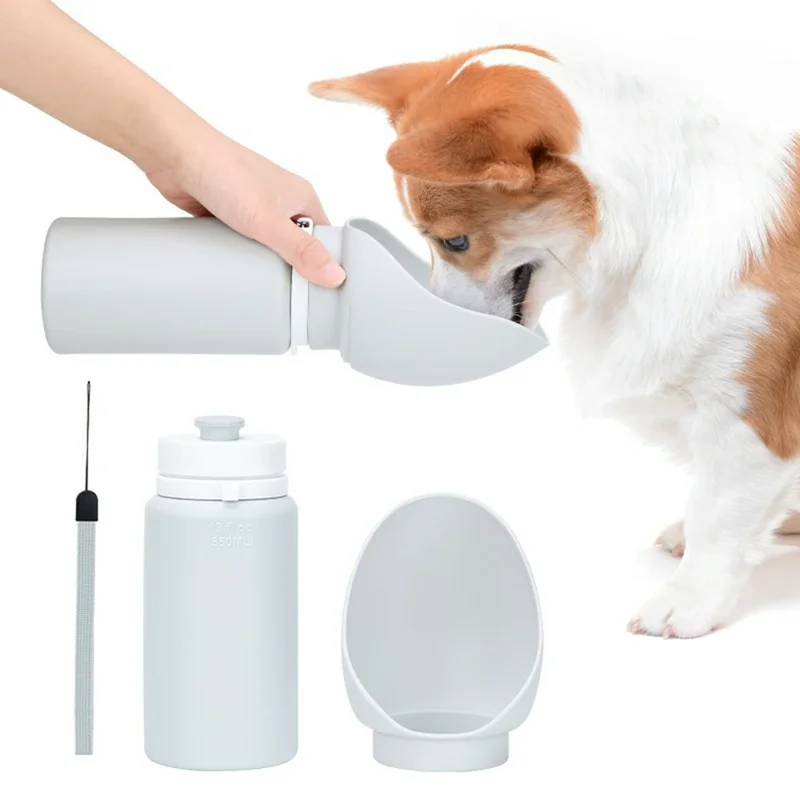
Identify which reservoir, cap, seals, and drinking-area parts the manufacturer permits you to remove. Follow its directions for washing, drying, and reassembly. Plastic appearance alone does not establish dishwasher, boiling-water, or sterilization suitability. Give attention to channels and seals where water can remain, and check that all parts are correctly seated before filling again. Replace or seek advice about damaged parts rather than substituting an unrelated seal. Keep any food-storage compartment within the care instructions for that specific assembly.
Read the material and assembly information together
Check the listed material, the care label, and the manufacturer’s instructions for the reservoir, drinking area, cap, seal, control, and any removable storage section. An instruction for one removable part may not apply to the complete assembly. Likewise, a description of the main material may omit a backing, insert, trim, seal, coating, or piece of hardware. If the care method depends on those details, ask for clarification tied to the model. Do not infer temperature tolerance, chemical resistance, or machine compatibility from appearance alone.
Prepare the item using its own instructions
Identify what must be emptied, removed, disconnected, cooled, or otherwise prepared before cleaning. Use the sequence given for the actual model rather than guessing from a related item. Set small permitted removable parts somewhere they can be kept together. Take note of their orientation when the instructions allow removal. The purpose is to make cleaning manageable without creating a second problem through misplaced parts, forced connections, or an undocumented disassembly.
Choose only a supported cleaning method
Match the method to the care label and any stated limits on water, detergent, tools, temperature, and drying. Terms such as washable, easy clean, and wipe clean do not all mean the same thing. A supplier should be able to explain what its statement covers. Avoid adding a stronger cleaner, more heat, or a more aggressive tool when the original method is unclear. Ask for the missing instruction instead of treating an unsupported method as an improvement.
Inspect the working parts before returning to use
After the documented cleaning and drying steps, inspect the relevant seams, edges, moving pieces, controls, or attachments. Look for changes that make the item differ from the condition described in its instructions. Follow the manufacturer’s advice about replacement or repair; cleaning cannot restore a cracked part, damaged wire, loosened connection, or missing piece. Keep any replacement part tied to its correct model reference. Similar dimensions or colors do not establish that an unrelated part is compatible.
Build a routine around actual use
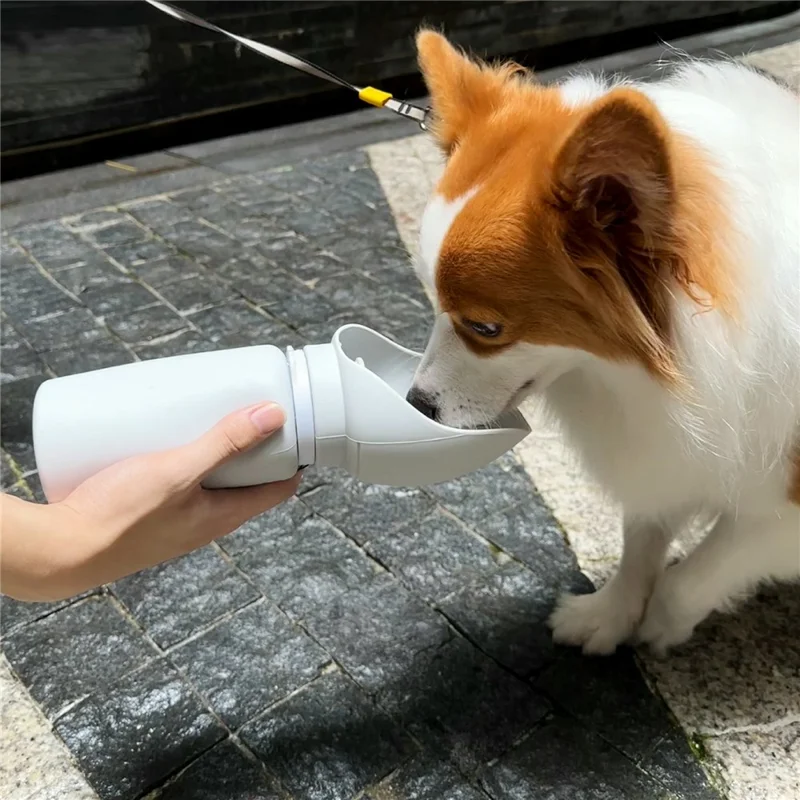
Choose inspection and care timing using the manufacturer’s directions and the way the item is actually used, rather than inventing a universal schedule. Consider how offering and carrying drinking water during an outing leaves debris, moisture, or wear on the parts that matter. Store the item in the way its instructions permit. Keep the care label and supplier’s written clarifications available so the same assumptions do not have to be made again. A practical routine is repeatable, understandable, and supported by the product’s own information.
One related decision worth checking
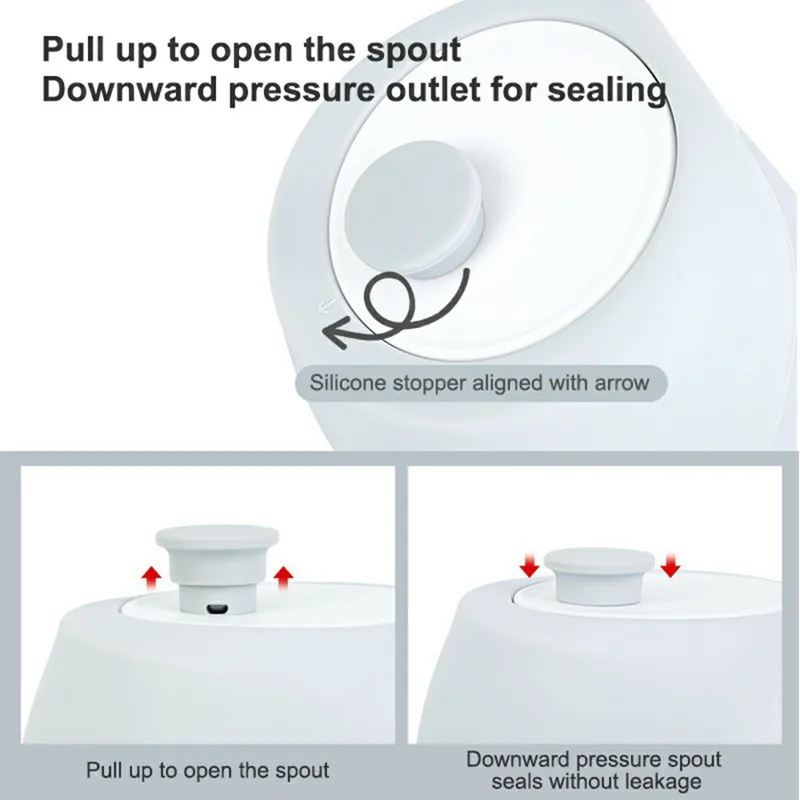
Follow the instructions for filling, locking, dispensing, and closing the actual model. If a control returns unused water, confirm that feature in the supplier’s documentation rather than assuming its presence from a familiar silhouette. Offer water in a suitable supervised setting and keep the drinking area clean between uses. Check the closure before putting a filled bottle in a bag, without treating a marketing claim as a guarantee against every leak. Care and water handling should follow the product instructions and the needs of the individual outing.
Questions to settle before ordering
Which information should match the order?
The model reference, selected size or color, material, included pieces, and offered quantity should describe the same version. Keep the product page and the seller’s written clarification together. A model change or accessory change deserves a fresh check, even when the product name is nearly identical.
Can photographs replace a clear specification?
Photographs are useful for understanding construction and context, but they cannot reliably establish an exact measurement, a material formulation, or a performance rating. Ask for the missing specification or instruction. A correct photograph and a clear written description should support each other instead of requiring you to guess which one is accurate.
What if the listing leaves a meaningful question unanswered?
Describe the question precisely and ask the seller to identify the relevant model and part. If the answer would change your choice, resolve it before ordering. A documented answer is more useful than a broad reassurance that a whole product family is suitable for everyone.
Related product information
- PET02 Portable Dog Water Bottle 550ml Silicone Foldable Drinking Dispenser for Outdoor – Light Grey
- SH-01 Multifunction Pet Dog 500ML Water Bottle Gift with Poop Bag Dispenser – Yellow
- Portable Dog Water Bottle Pet Puppy Doggie Food Storage Box Gift , with 300ML Water Bottle Gift+Poop Bag Dispenser+Food Storage Box Gift – Lake Blue